From Lab to Cart: Clean Label, Hurdle Technology, and the New Demands of Digital Retail
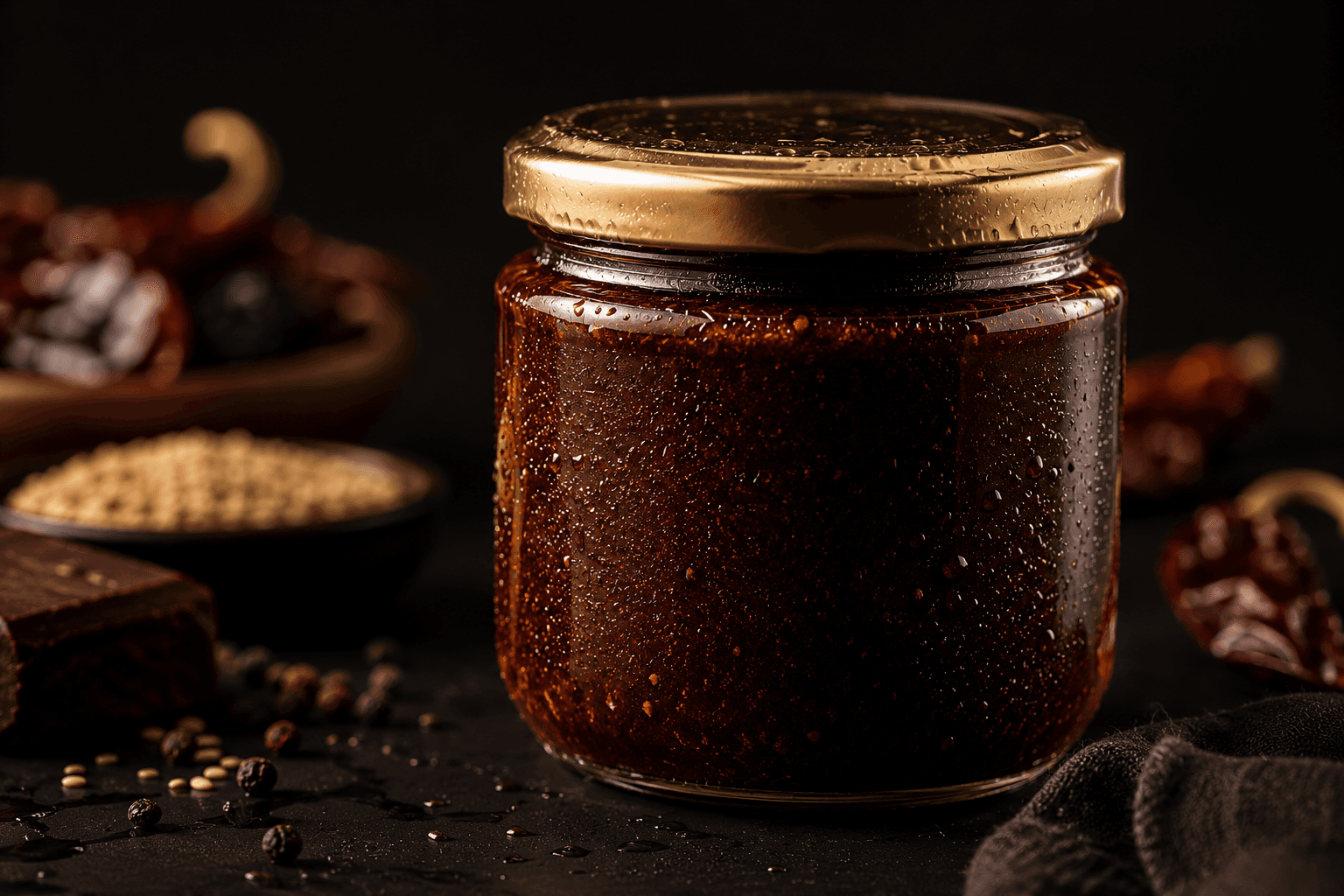
Ask any specialty food distributor what single attribute is moving product fastest right now, and the answer repeats with striking consistency: "clean label." This isn't a consumer trend that will eventually trickle up to the B2B channel — it's already here, in full force, and it's reshaping sourcing, co-packing, and distribution conversations across the artisanal condiments category.
Three converging signals confirm it this week: new scientific research on natural preservation published in high-impact journals, data quantifying the cost of food spoilage tied to inadequate preservation systems, and e-commerce behavior patterns showing that the label has become the first battleground — before a product ever reaches a shelf, physical or virtual.
The problem that won't go away: preserving without compromising
We've seen this dilemma for decades in the condiments industry: the more authentic the flavor profile, the harder it is to guarantee shelf life without synthetic preservatives. Now the pressure is coming from both directions. Consumers demand shorter, more readable ingredient lists; distributors and foodservice operators need competitive shelf lives — twelve to twenty-four months — to fold new products into their logistics chains without spoilage risk.
A 2026 scientific review published in Archives of Microbiology documents the scale of the problem from another angle: roughly 31% of the global food supply is lost to spoilage, with significant economic and environmental impact worldwide. What that same study makes clear is that the market is already moving: there's a real, measurable shift toward natural preservatives, driven directly by clean-label pressure.
The science lines up: hurdle technology as the industry's answer
Hurdle technology combines multiple preservation factors at lower individual doses: controlled pH, low water activity (Aw), storage temperature, modified-atmosphere packaging, and natural antimicrobials. The result is a system that inhibits microbial spoilage without any single preservative appearing at a concentration that triggers label rejection.
A study published in Food Chemistry in 2026 showed that combining processed air with indirect plasma and peracetic acid at a reduced concentration achieved antifungal efficacy equivalent to peracetic acid at five times the concentration on its own. For the condiments industry, the message is direct: cutting synthetic preservatives doesn't mean sacrificing microbiological safety.

Bacteriocins and natural agents: the next generation of functional hurdles
Bacteriocins — antimicrobial peptides produced by lactic acid bacteria — can inhibit relevant pathogens, including Listeria monocytogenes, without leaving a detectable chemical footprint on the product's sensory profile. Nisin, FDA-approved under GRAS status, is the best-known example, but 2026 research documents a new generation of bacteriocins with broader spectrums of activity and greater stability at acidic pH.
The digital channel: an unforgiving label reader
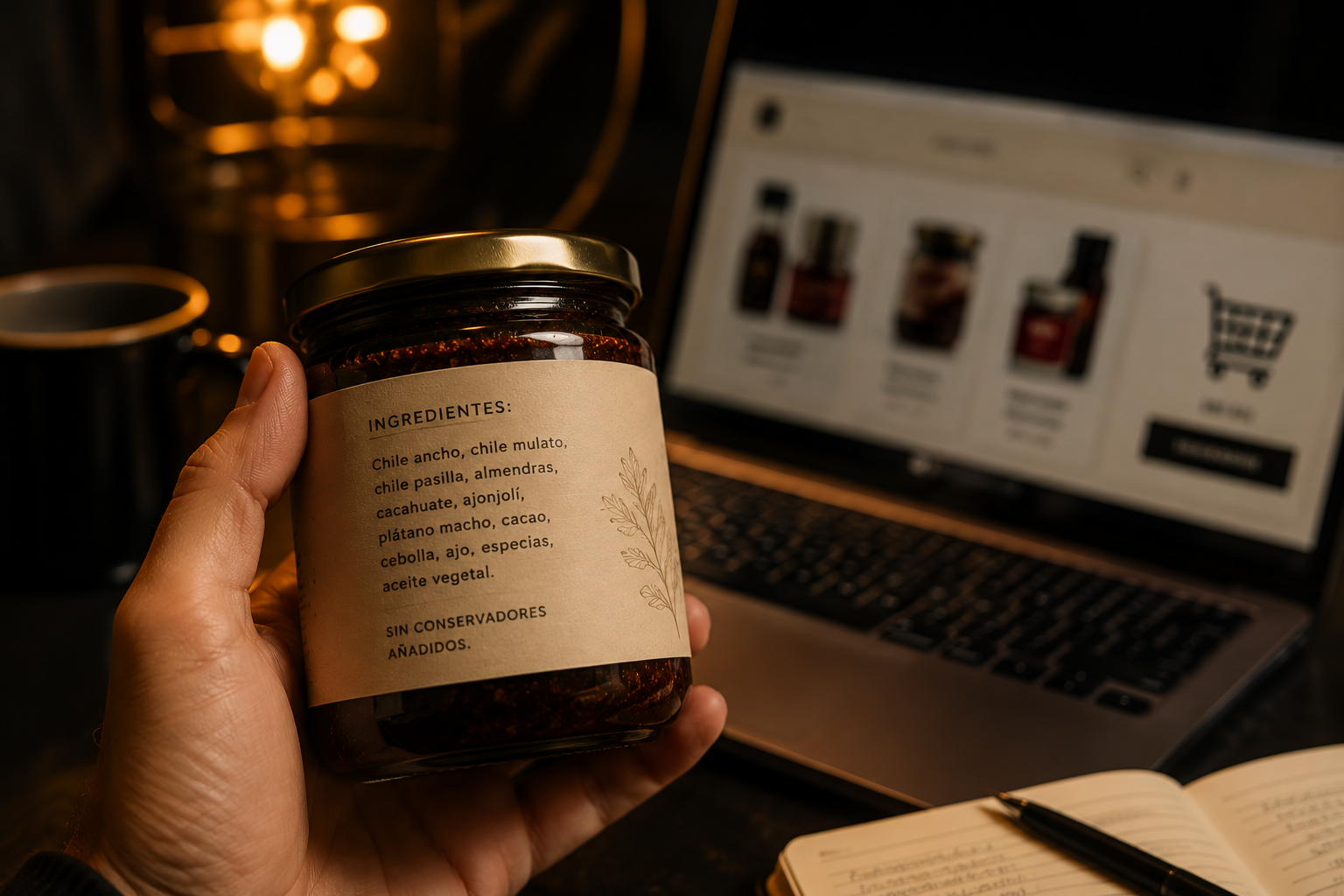
Digital shoppers check ingredient lists far more often than shoppers in physical stores. Several natural and specialty food platforms — in Mexico, the U.S., and Europe alike — maintain category editorial guidelines that exclude products with certain synthetic preservatives. Clean label stopped being an optional differentiator. In specific digital-channel segments, it's a requirement to even get listed.
What this means across the value chain
- Co-packers and manufacturers: Mapping a roadmap toward clean label — target Aw analysis, process pH review, evaluating available natural hurdles — is a value-added service that positions you as a technical partner, not just a producer.
- Distributors: Building clean-label criteria into supplier onboarding guidelines is real operational protection.
- Foodservice and central-kitchen operators: Well-designed hurdle technology can also improve batch-to-batch sensory consistency.
- Investors: A product with documented clean label, validated shelf life, and a formulation free of synthetic preservatives has a cleaner exit story toward national or international retail.
The question is no longer whether reformulation is coming — it's when, and with which technical partners.
Sources: Antony C. and Narayanaswamy K., Archives of Microbiology (2026); Yang X. et al., Food Chemistry (2026); Zhang J. et al., Comprehensive Reviews in Food Science and Food Safety (2025).
— Aramiz Molina, Día de Sazón B2B Blog

Part of the Día de Sazón team, focused on manufacturing, sourcing, and B2B business development.
Get new blog articles
Manufacturing, sourcing, and market trends straight to your inbox. No spam.