Flavor, Not Heat: The Convergence Redefining the Artisanal Hot Sauce Market in 2026
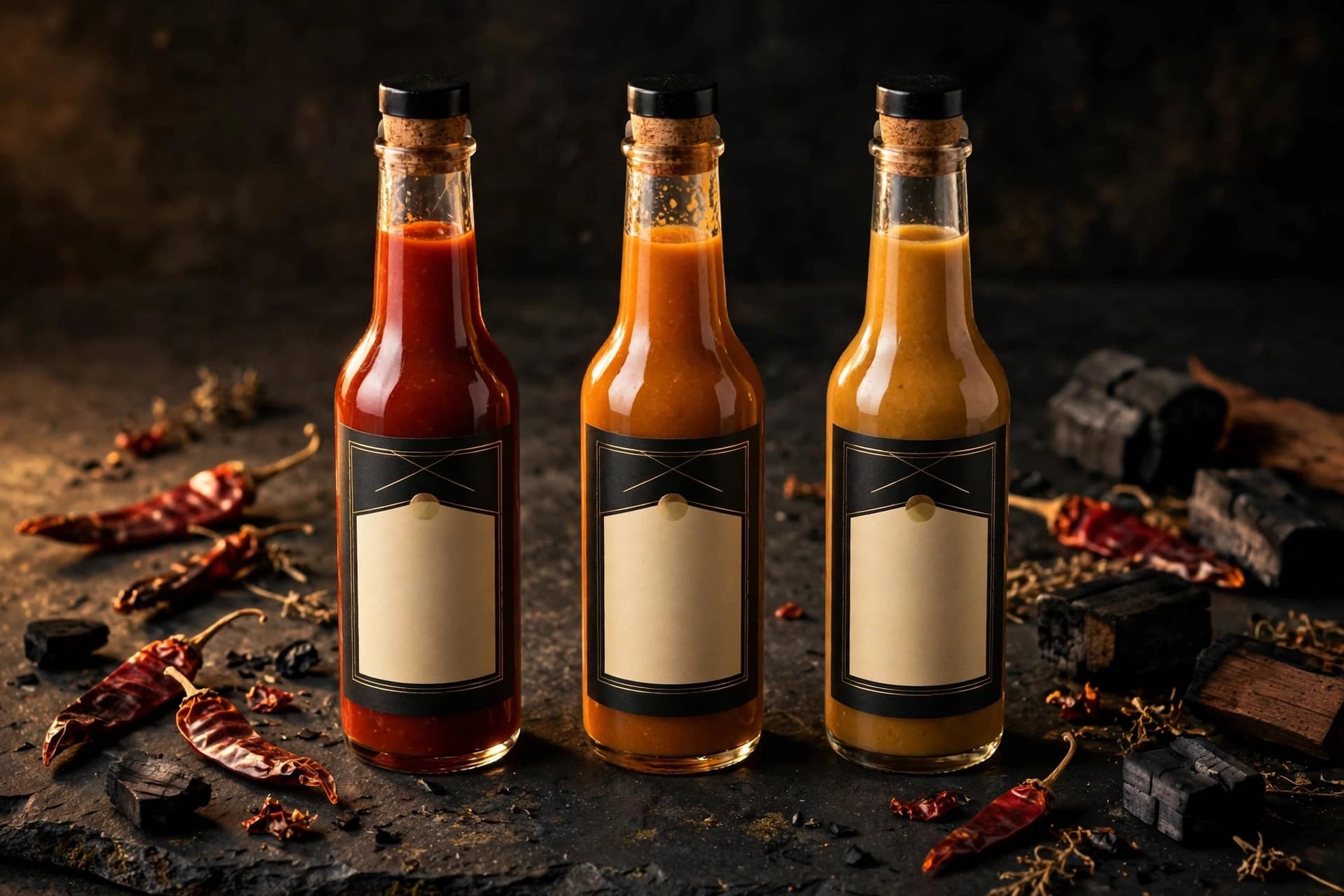
The global hot sauce market reached USD 5.48 billion in 2026 and is projected to hit USD 7.59 billion by 2031, according to Mordor Intelligence. Anyone following the category already knows that. What many artisanal producers haven't fully processed yet is that the rules of the game have shifted at their core: the era of extreme heat as the primary differentiator has hit its ceiling, and natural preservation science has matured enough to stop being a real technical obstacle.
The End of "Heat Creep": Flavor Complexity Takes Over
For nearly a decade, the dominant narrative in the artisanal segment was escalating heat — Pepper X as the commercial ceiling, marketing built on warnings and viral challenges, launches measured in Scoville units. That phase is giving way to something more interesting: sensory complexity as the axis of differentiation.
Mordor Intelligence's own report documents this shift explicitly: today's consumer prioritizes flavor complexity over raw heat, evident in the evolution from the "swicy" (sweet-spicy) trend to the newer "swangy," which introduces tangy notes to the profile. That same report notes that artisanal brands are securing shelf space and digital attention through limited-batch fermentation, direct-to-consumer subscriptions, and celebrity collaborations — while traditional manufacturers respond by accelerating their formulation cycles with artificial intelligence.
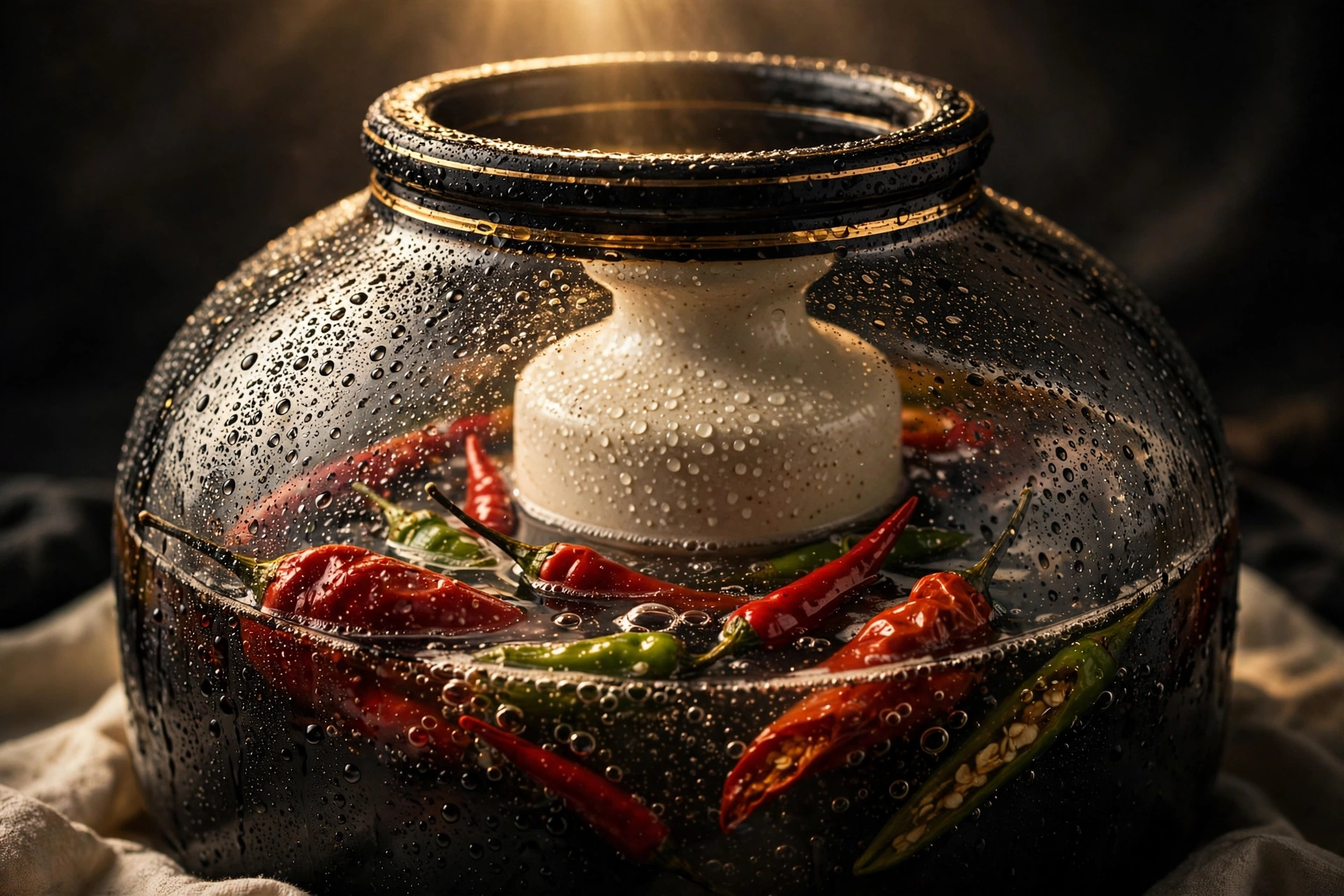
Single-origin sauces built around named chile varietals, fermentations with named cultures, smoking processes, and barrel aging are turning the production process itself into as powerful a selling point as the product. Collaborations with fine-dining chefs are positioning the condiment as a culinary asset, not a physical challenge.
For manufacturers, this shift in axis also means a shift in investment: from adrenaline-driven marketing to a narrative built on origin, process, and flavor. It's not a cosmetic pivot — it requires reformulating the product, redesigning communication, and in many cases, revisiting the relationship with raw material suppliers to guarantee consistency and traceability.
The Online Channel, Increasingly Central to Distribution
Mordor Intelligence's own analysis points to a margin gap that explains why so many new brands launch in digital first: direct-to-consumer brands see gross margins of 40% to 50%, compared with 20% to 30% in traditional retail once slotting fees are factored in. That margin difference — not just volume — is what's pushing small and mid-sized brands to treat the online channel as primary distribution infrastructure, not an alternative one.
For distributors and co-packers, the implication is direct: their artisanal brand clients need a supply chain that operates with response times and batch flexibility compatible with omnichannel strategies. The long cycle of physical retail isn't always enough to serve a brand that needs to restock its online store in days, not weeks.
The Maturity of Natural Preservation: Hurdle Technology Without Flavor Trade-Offs
The third vector is less visible in brand marketing but decisive for real scaling capacity. The concept of hurdle technology — combining multiple low-intensity barriers (pH, water activity, temperature, natural antimicrobials) instead of a single high-dose chemical barrier — isn't new to food science, but the availability of formulated, validated, and scalable systems that meet clean-label standards without sacrificing microbiological performance has advanced notably over the past two years.
As we covered in our previous article on the regulatory moment for clean label, the FDA itself acknowledged in July, at the IFT First conference in Chicago, that defining "ultra-processed" remains an unresolved and complex task — which keeps the window open for brands that already meet clean-label criteria to build an advantage before a binding federal definition arrives.
For artisanal sauce makers, this has two immediate implications. First: the technical excuse of "I can't do clean label without sacrificing shelf life" is losing validity as multi-barrier tools become accessible at mid-scale manufacturing. Second: the online shopper reads labels notably more closely than the in-store shopper, and e-commerce penalizes — in reviews and repeat purchases — products that don't align their label with their stated claims.
What This Means for the Value Chain
- Manufacturers and co-packers: controlled fermentation capacity and multi-barrier preservation systems stop being an optional differentiator and become a requirement for access to the premium artisanal segment. Brand clients growing through e-commerce will demand that technical capability — or seek out a co-packer who has it.

-
Distributors: the exclusive physical distribution model remains fundamental for volume, but brands generating organic online demand arrive at the physical point of sale with an already-formed customer base and lower shelf-failure risk. Reading a brand's online sell-through metrics is a skill the most sophisticated distributors are already building into their portfolio selection process.
-
Foodservice: flavor complexity isn't just a retail phenomenon. Operators are responding to younger diners who value ingredients with documented history, origin, and process. An artisanal sauce with a verifiable story on the menu isn't a cost — it's a marketing asset.
-
Investors: the combination of sustained category growth and technical maturity in preservation lowers the scaling barriers for well-positioned artisanal brands. The long-term differentiator is no longer heat — it's who can document process, origin, and clean-label compliance in an auditable way.
This Week's Question
The hot sauce market keeps growing at a healthy pace, but it no longer rewards the same things it did five years ago. Where does your business stand in this transition — flavor and origin narrative, digital distribution infrastructure, or natural preservation science — and which of the three represents your biggest opportunity for action over the next 12 months?
Sources: Mordor Intelligence ("Hot Sauce Market Size, Share & 2031 Growth Trends Report"), Food Ingredients First / IFT First 2026 coverage, Food Business News / Supermarket Perimeter (FDA statements at IFT First, July 2026).
— Aramiz Molina, Día de Sazón B2B Blog

Part of the Día de Sazón team, focused on manufacturing, sourcing, and B2B business development.
Get new blog articles
Manufacturing, sourcing, and market trends straight to your inbox. No spam.