Why Consumers Are Paying More for Salsa: The Forces Behind Premiumization
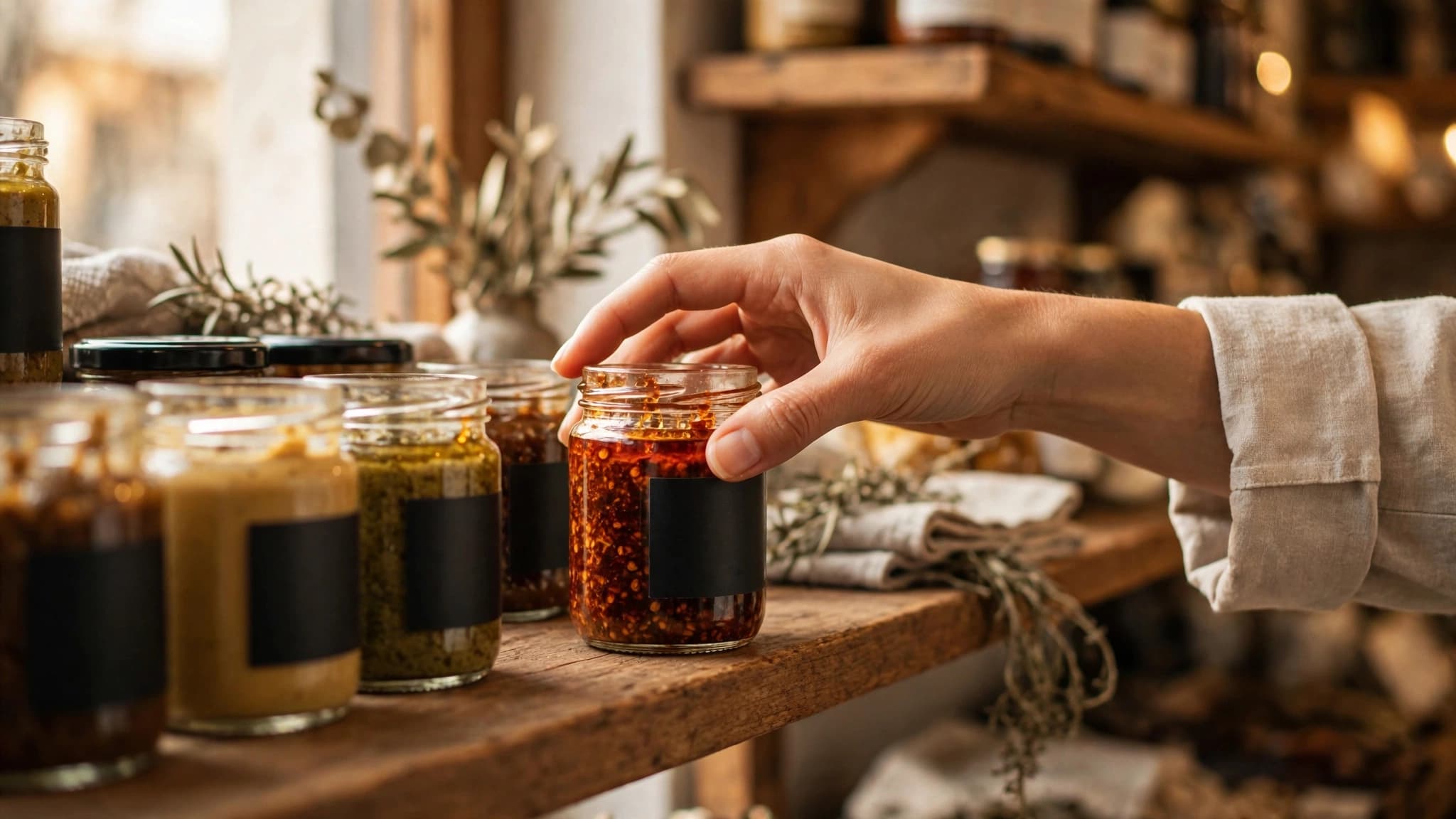
The U.S. hot sauce market now tops $1.1 billion, growing at an annual rate hovering around 7-8% according to various market research firms. But the number alone doesn't explain what's actually interesting: what's changing isn't just how much is being sold, but what kind of product is gaining share.
The question worth asking isn't "why is the category growing?" It's: why is the consumer willing to pay more for an artisanal jar when the same cheap industrial option is still sitting right next to it on the shelf?
The four forces behind premiumization
1. The shift toward the premium segment is measurable, not just perceived. Circana data shows dollar share in the super-premium segment climbing several percentage points in a recent year, while private label — low-cost generic products — lost ground in roughly the same proportion. This isn't a passing fad — it's a market move with numbers behind it. NielsenIQ reports something similar: a majority of consumers now prefer buying one or two high-quality products over several cheaper ones, prioritizing quality and authenticity over price.
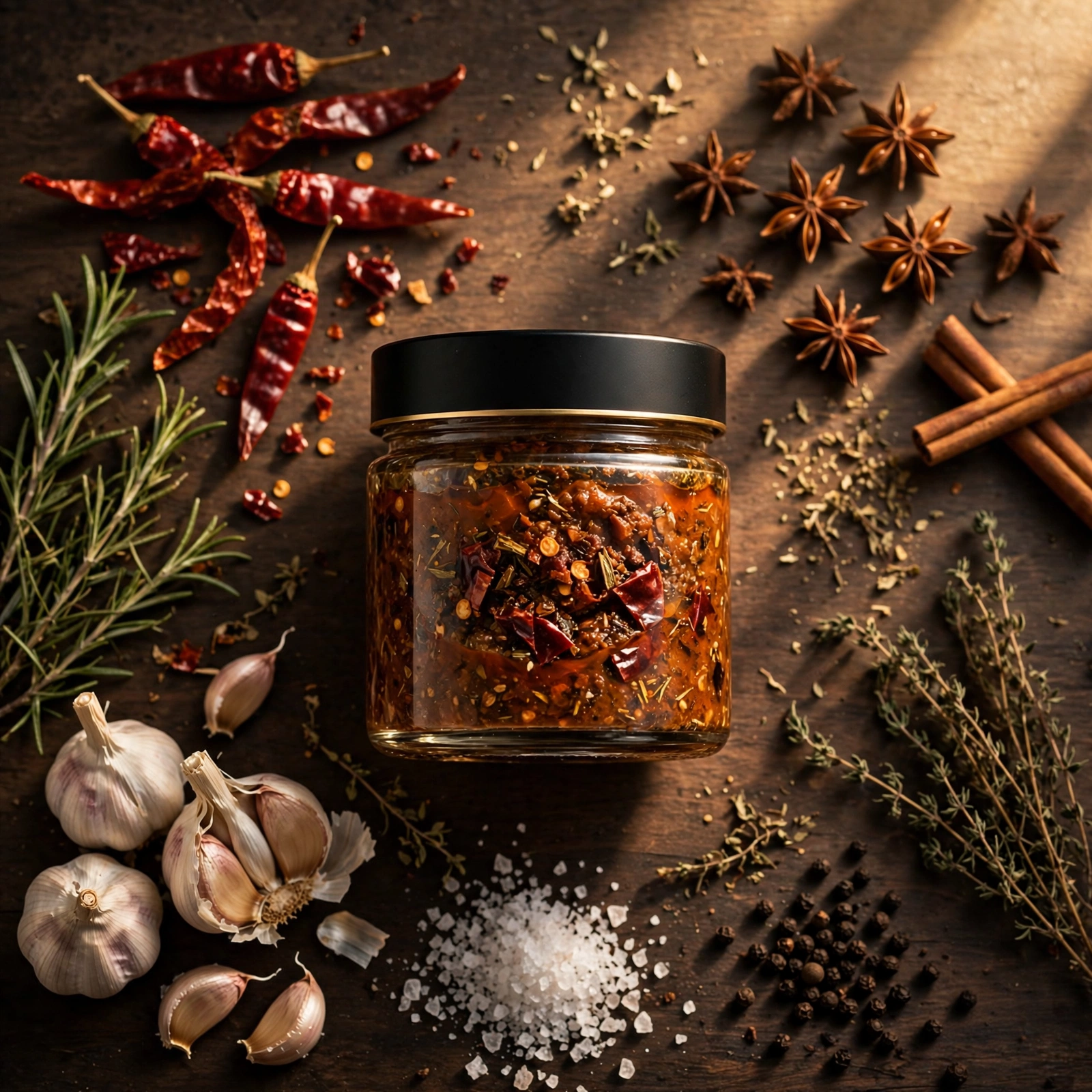
2. Clean label stopped being an "extra" — it's now a purchase filter. Multiple industry surveys agree on the same pattern: the vast majority of U.S. consumers actively check the ingredient list before buying, and many pay closer attention to it than they did just a few years ago. Ingredion's reporting shows shoppers — especially younger generations — willing to pay 20% to 30% more for products carrying "organic," "natural," or "no artificial ingredients" claims. That's not an aesthetic preference; it's a purchase decision with a price tag attached.
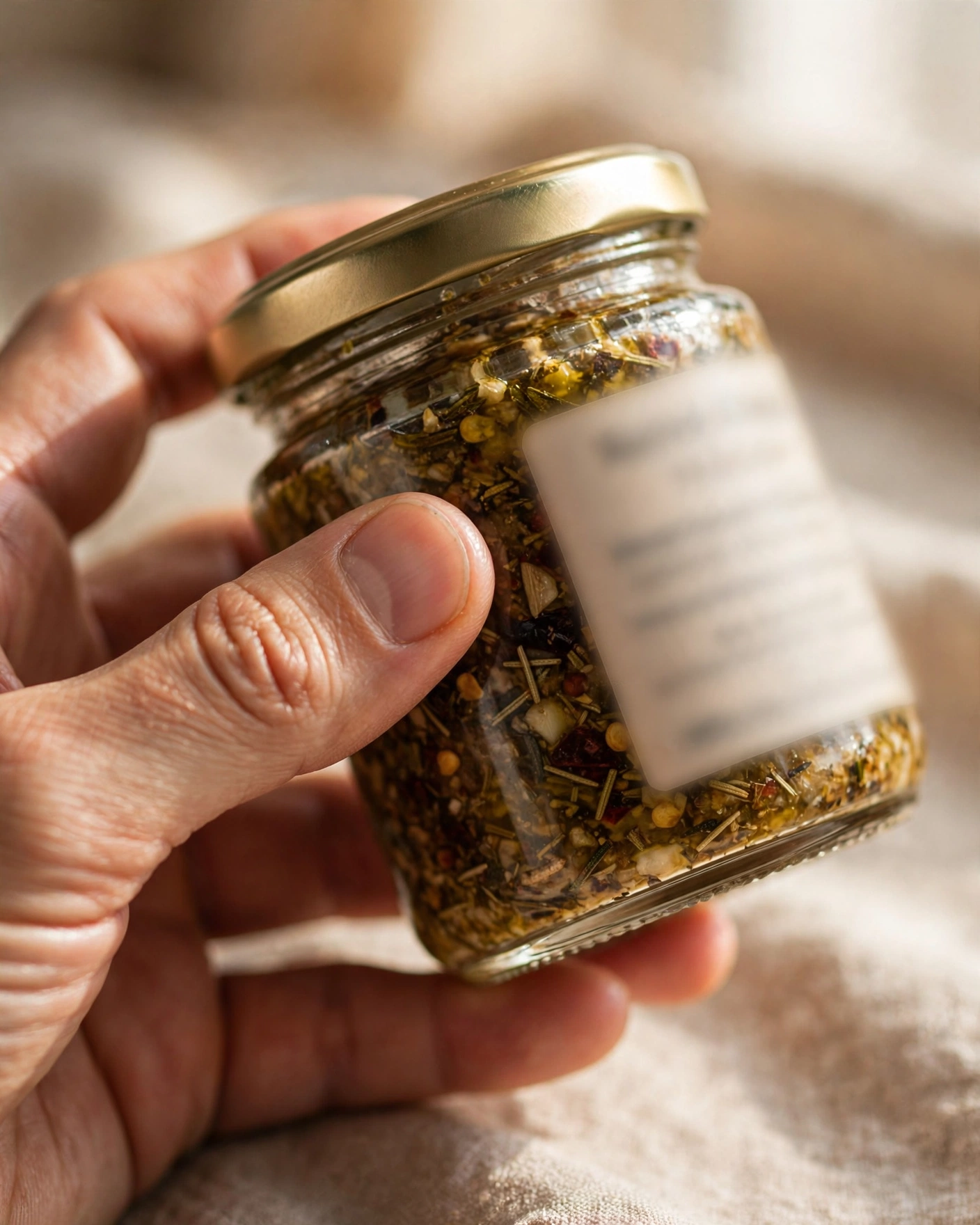
3. Foodservice remains the most validated entry point. Before a consumer buys an artisanal product at the grocery store, they've usually already tried it at a restaurant. This restaurant-to-retail-demand pattern is well documented across the industry, and it's consistent with what we've seen from brands that are now category benchmarks: they earned the trust of chefs and professional kitchens before fighting for shelf space.
4. The market is bigger than "ethnic" suggests. Here's a data point that reframes the entire category: according to USDA research, most people who eat Mexican food in the United States are not Hispanic. The Hispanic population acts as an early adopter — consuming the category at several times the rate of the rest of the population — but the real volume of growth comes from a much broader audience. For any Mexican condiments brand thinking about scaling, that means the market ceiling isn't "the Latino community" — it's the general consumer who has already adopted Mexican food as part of their everyday diet.
What this means depending on where you sit in the value chain
If you're a distributor or retail buyer, the read is straightforward: the premium-artisanal segment isn't a marginal niche anymore — it's where the part of the market that's still growing lives, while the mass segment stalls.
If you're a co-packer or manufacturing partner, the demand you'll see grow is for processes that support clean label: fewer synthetic preservatives, more natural hurdle technology (acidification, water activity control, thermal treatment) to achieve shelf life without sacrificing the clean label consumers demand.
If you're an investor evaluating this category, the pattern across recent cases is consistent: brands gain traction through foodservice or direct-to-consumer channels, followed by funding rounds to scale wholesale distribution — and in more than one case, an exit to established distributors looking to add brands with authentic narratives to their portfolio.
The gap that's still open
This category's competitive map has two well-populated extremes: mass low-price brands with no brand narrative, and ultra-premium brands priced out of reach for everyday consumption. The middle space — genuinely artisanal, authentically Mexican, but priced for regular consumption — remains relatively underserved. It's no coincidence that several of the brands gaining the most traction recently found exactly that space.
What's already worked for others — repeated patterns
Looking back at the path of artisanal condiment brands that successfully scaled in recent years, the same patterns show up again and again:
- Foodservice validation before fighting for mass retail. None of today's benchmark brands started by negotiating directly with big chains — they started by winning over restaurants and professional kitchens.
- Staged growth financing, not all at once: low-cost initial visibility (social media, regional contests, crowdfunding platforms), followed by institutional capital once there's real traction to show.
- Direct-to-consumer as cheap demand validation, before committing to large-scale wholesale inventory.
- An authenticity message aimed at a broad audience, not boxed in as a niche ethnic product — this was explicit in several of the highest-growth cases.
Where to focus: concrete recommendations
For any entrepreneur building or scaling an artisanal condiments brand, here's where it's worth putting your energy, in order of priority:
-
Win foodservice before retail. It's cheaper, faster to validate, and generates the social proof you'll need to negotiate with distributors later.
-
Make clean label an explicit selling point, not a technical footnote. If your ingredient list is short and recognizable, say so clearly on your packaging and in your story — it's what consumers are actively looking for.
-
Don't box your brand in as a "niche ethnic product." The data shows your real market is far broader than the community that shares your cultural origin. Speak to that bigger audience from day one.
-
Prepare to compete in the mid-premium segment, not the extremes. Not the cheapest option on the shelf, nor the most expensive — the space with the most real opportunity sits between the two.
-
Document your traction early. The financing patterns that work best depend on having real evidence of demand — sales, restaurant presence, organic growth — before approaching institutional capital.
-
Think of your scaling path in stages, not a single leap. Low-cost visibility first, capital second, wholesale distribution last — the order matters as much as each individual step.
Are you seeing this same trend from your side of the value chain — sourcing, manufacturing, distribution, or retail? We'd love to hear your perspective.
Sources: Fortune Business Insights, Circana, NielsenIQ, Ingredion, U.S. Department of Agriculture (USDA), Pew Research Center, Specialty Food Association, among other industry reports consulted during 2025-2026.

Part of the Día de Sazón team, focused on manufacturing, sourcing, and B2B business development.
Get new blog articles
Manufacturing, sourcing, and market trends straight to your inbox. No spam.