When Spicy Goes Pop Culture: What Megabrands Are Teaching Us About Mexican Flavor's Moment
In the same week, two completely different food industry giants doubled down on the same territory: turning Mexican and spicy flavor into a cultural event, not just an ingredient. TABASCO® named an actor as its first-ever "Chief Hot Ideas Person." Taco Bell and Tajín® launched a national collaboration with one of today's most-streamed artists. Neither move is a coincidence — they're a clear signal of where flavor marketing is headed in 2026.
The TABASCO Case: Turning a Fan Into a Corporate Spokesperson
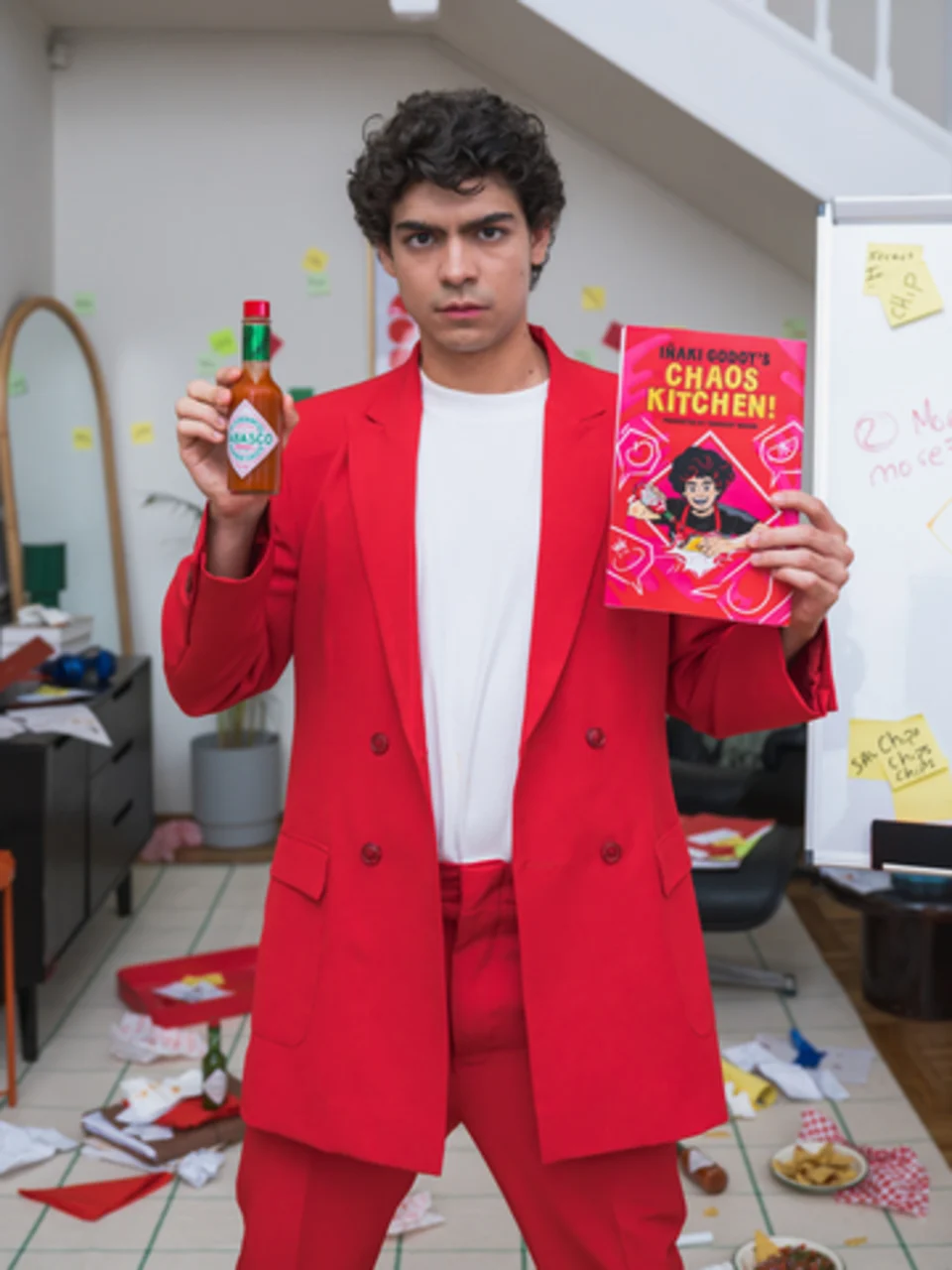
TABASCO®, the hot sauce brand McIlhenny Company has produced since 1868 on Avery Island, Louisiana, named actor Iñaki Godoy as its first-ever "Chief Hot Ideas Person" — a role created specifically for him. The campaign started organically: Godoy posted on social media that he'd run out of TABASCO® while filming in South Africa, the brand shipped him a full box, and the positive fan reaction sparked a deeper collaboration. As part of the campaign, the brand released a free manga-style Mexican recipe cookbook available for direct download.
The Taco Bell x Tajín Case: Its Biggest Seasoning Collaboration Yet
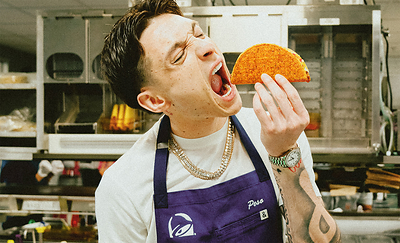
Taco Bell and Tajín® launched what they describe as Tajín's largest national menu collaboration to date, with three limited-time menu items seasoned with its signature chile-lime-salt blend. The campaign leans on singer Peso Pluma as the face of the collaboration, alongside a highly limited (400-unit) collectible accessory set designed to generate urgency among both brands' most loyal fans.
The Underlying Read: Mexican Flavor Isn't Just Sold Anymore — It's Celebrated
Both cases share a pattern worth examining beyond the headline: neither campaign sells the product on functional attributes (taste, ingredients, tradition). They sell identity and belonging — being a fan of something becomes part of who you are, and the brand becomes a cultural vehicle. TABASCO® turned a loyal consumer into an executive; Taco Bell and Tajín turned a seasoning collaboration into an event with music, fashion, and collectibles.
For artisanal brands, this scale of campaign is obviously out of budget reach. But the underlying logic is replicable at a smaller scale: today's consumer — especially younger ones — doesn't just buy a product, they buy belonging to a story. The origin authenticity an artisanal brand already has naturally is, in a sense, the very ingredient megabrands are paying fortunes to manufacture artificially.
What This Means Depending on Your Role in the Chain
- Sourcing and manufacturing: The rise of spicy and Mexican flavor as a mass cultural phenomenon validates the entire category — a rising tide that also lifts well-positioned small brands, not just the giants.
- Co-packing: Collaborations like these often trigger sudden demand spikes for specific ingredients (chile-lime, for example) — worth monitoring these flavor trends as an early sourcing signal.
- Distribution and foodservice: Cultural interest in Mexican heat opens conversation space with buyers who previously didn't see the category as relevant or "on-trend."
- Investment: These campaigns confirm that brand equity in Mexican flavor keeps growing — a favorable backdrop for brands that can demonstrate origin authenticity without needing celebrity-sized budgets.
The Open Question
If the world's biggest brands are paying to manufacture a cultural connection that artisanal Mexican brands already have genuinely, why are so few of them communicating that asset with the same confidence?
Sources: Business Wire (TABASCO® Brand, August 27, 2026); PR Newswire (Taco Bell / Tajín, August 12, 2026).
— Aramiz Molina, Blog B2B Día de Sazón

Part of the Día de Sazón team, focused on manufacturing, sourcing, and B2B business development.
Get new blog articles
Manufacturing, sourcing, and market trends straight to your inbox. No spam.